
200-Hour Yoga Teacher Training in Derby: 8 Things No-One Tells You
Christine Mason · 20 July 2023 · Updated 30 September 2026
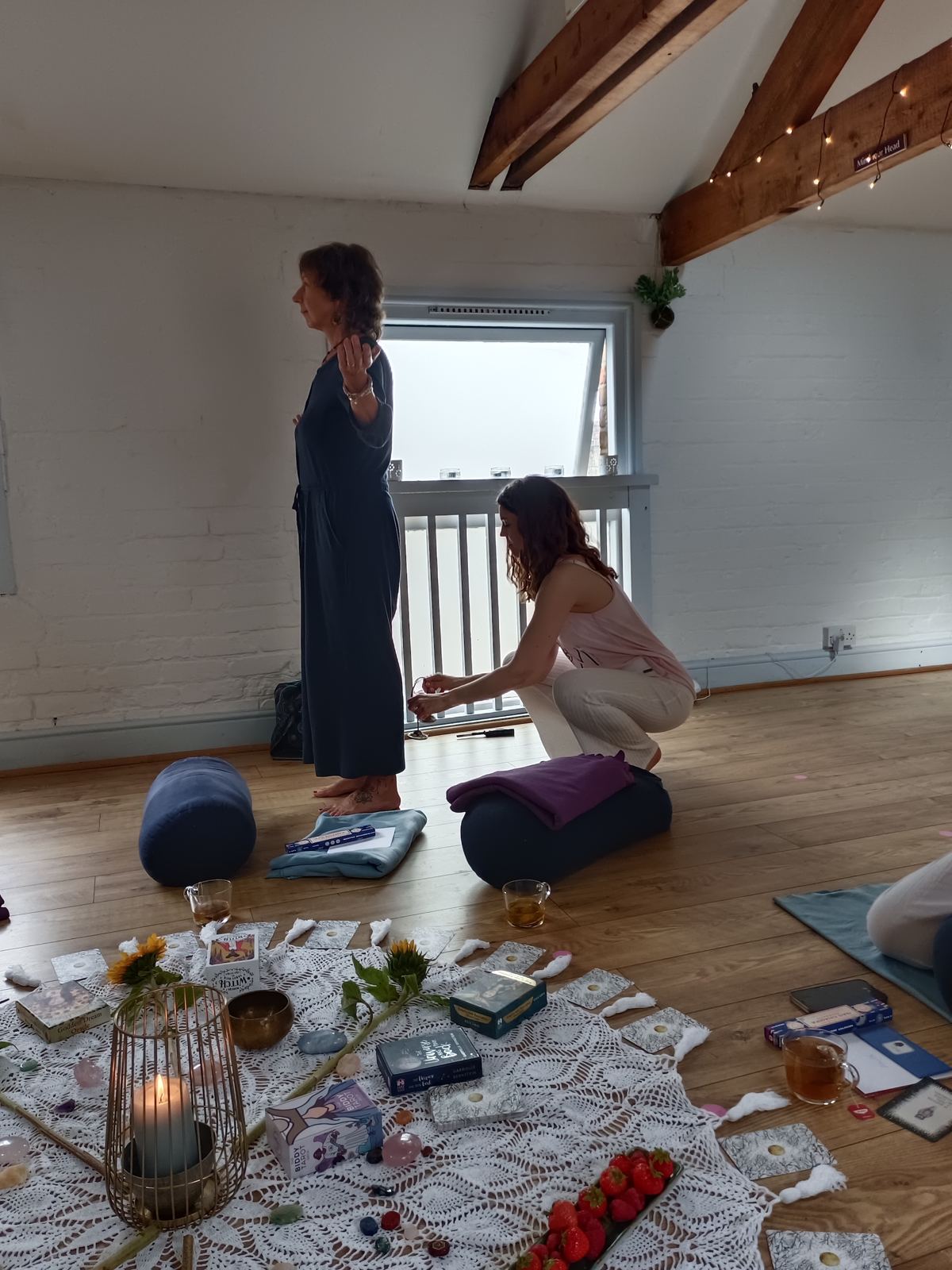
Are you a dedicated yoga practitioner who wants to deepen your practice and share it with others? A 200-hour yoga teacher training could be just what you need.
Here’s why it’s worth doing, what a good course involves, and eight things you’ll wish someone had told you before you started.
Why do a 200-hour yoga teacher training?
Deepen your practice
A 200-hour training lets you immerse yourself fully in yoga, exploring it from many angles: philosophy, asana (postures), pranayama (breathing techniques), meditation and more. Our Hatha Yoga Teacher Training is designed for practitioners who want to go deeper and integrate yoga into their lives. It builds a strong personal practice before moving on to teaching techniques and pedagogy.
Expand your knowledge
A good curriculum covers anatomy, physiology, philosophy, teaching methodology and professional ethics. At our school you’ll be guided by experienced teachers with a genuine passion for yoga. Christine, our lead teacher, brings her extensive experience and mentoring skills, and Bel and Yashwanth add their expertise too. The wider Breathing Space community of teachers and practitioners creates a nurturing place to grow.
Enhance your self-awareness
Teacher training isn’t only about learning to teach. It’s a personal journey of self-discovery. Exploring different practices and philosophies helps you understand yourself, your strengths and your areas for growth.
Connect with a supportive community
You’ll share the experience with like-minded people who are dedicated, resilient, creative and joyful. Learning from each other is an invaluable part of the journey. Over our trainings we’ve seen lifelong friendships and deep connections form.
Share your passion
If yoga has transformed your life, our training will give you the skills to share it. Each module explores the subtle and transformative layers of yoga, well beyond the physical. You’ll also study a range of approaches, including Vinyasa, Ashtanga, Props and Restorative Yoga, so you can help future students find their own path.
At the heart of our curriculum are the traditional yogic texts and the philosophy of yoga. We deeply respect and honour yoga’s Indian roots and the teachings passed down through generations.
What to expect from a good 200-hour course
- Yoga techniques. Asana, pranayama, meditation, chanting, mantras and mudras, deepening your understanding of the physical, mental and energetic sides of yoga.
- Anatomy and physiology. The skeleton, the major muscles used in asana, types of joint movement and the body systems relevant to practice, so you can teach safely.
- Philosophy and history. Texts such as the Yoga Sutras, Bhagavad Gita and Hatha Yoga Pradipika, the origins of yoga, and how to bring philosophy into your teaching.
- Teaching methodology. Sequencing, creating a safe and inclusive environment, clear cueing and hands-on adjustments, and adapting to different students.
- Practicum and apprenticeship. Practice teaching under the guidance of experienced teachers.
8 things you’ll wish someone told you
1. Teacher training is the foundation
If you want to teach, appreciate the foundational role that training plays. A thorough 200-hour course gives you the knowledge and skills to guide classes with confidence. You’ll learn sequencing, adjusting postures, clear communication and class management.
It also teaches you about the yoga industry: marketing, branding, and building a sustainable, ethical yoga business. You’ll be ready not just to teach, but to thrive in a changing yoga world.
2. You’ll have to embrace the challenges
Expect physical and mental challenges. The intensive schedule, in-depth philosophy and rigorous asana practice can be demanding.
Training requires dedication, discipline and perseverance. You’ll explore new postures, refine your alignment and build strength and flexibility. It’s through these challenges that you’ll discover your inner strength and resilience. Embrace the discomfort: that’s where real growth happens.
3. Your priorities will shift
Training encourages self-reflection, self-care and mindfulness. You’ll find yourself prioritising your own wellbeing and practice, recognising that you need to nurture your own health before guiding others.
That may mean making time for self-practice, reflection and meditation, and taking a holistic approach to wellness. By looking after yourself, you can show up fully for your students.
4. Your relationships will evolve
As you align more with your true self, some friendships may naturally change. Not everyone will resonate with your new path, and that’s okay. Those meant to be with you on this journey will stay.
At the same time, you’ll form new connections with fellow trainees and teachers. The bond forged through intensive training can be incredibly powerful, creating lifelong friendships and a real sense of belonging.
5. Growth as a teacher never stops
When you finish, you may feel a mix of excitement and nerves about teaching your first class. Teaching is a lifelong learning journey, and confidence grows with experience.
Take every chance to refine your skills: attend workshops and keep up your continuing professional development. Welcome feedback and self-reflection, and never shy away from asking more experienced teachers for guidance.
6. You get out what you put in
Your dedication will shape your experience and your results. The more you invest, during the course and in your personal practice, the more you’ll gain.
Keep a consistent, disciplined practice. Set aside time for self-study, exploring philosophy and the eight limbs of yoga. Stay focused, and you’ll build a strong foundation of knowledge, skills and personal transformation.
7. You will change
Teacher training goes beyond knowledge and skills. It’s a deeply transformative journey that affects you physically, mentally and spiritually.
Its effects reach far beyond the studio. You’ll develop greater self-awareness, mindfulness and emotional wellbeing. Yoga will become not just an exercise or discipline, but a way of life.
8. You can’t start unprepared
Prepare yourself physically, mentally and emotionally. Build a consistent practice of asana, pranayama and meditation, and start studying yoga philosophy and the ancient texts.
Go to classes with experienced teachers to see different teaching styles and find inspiration. Connect with the yoga community. Above all, come with an open heart, a curious mind and a willingness to learn. Our tips for preparing for the course will help.
What our graduates say helped them grow
We asked our 200-hour graduates which parts of the course contributed most to their growth and development.
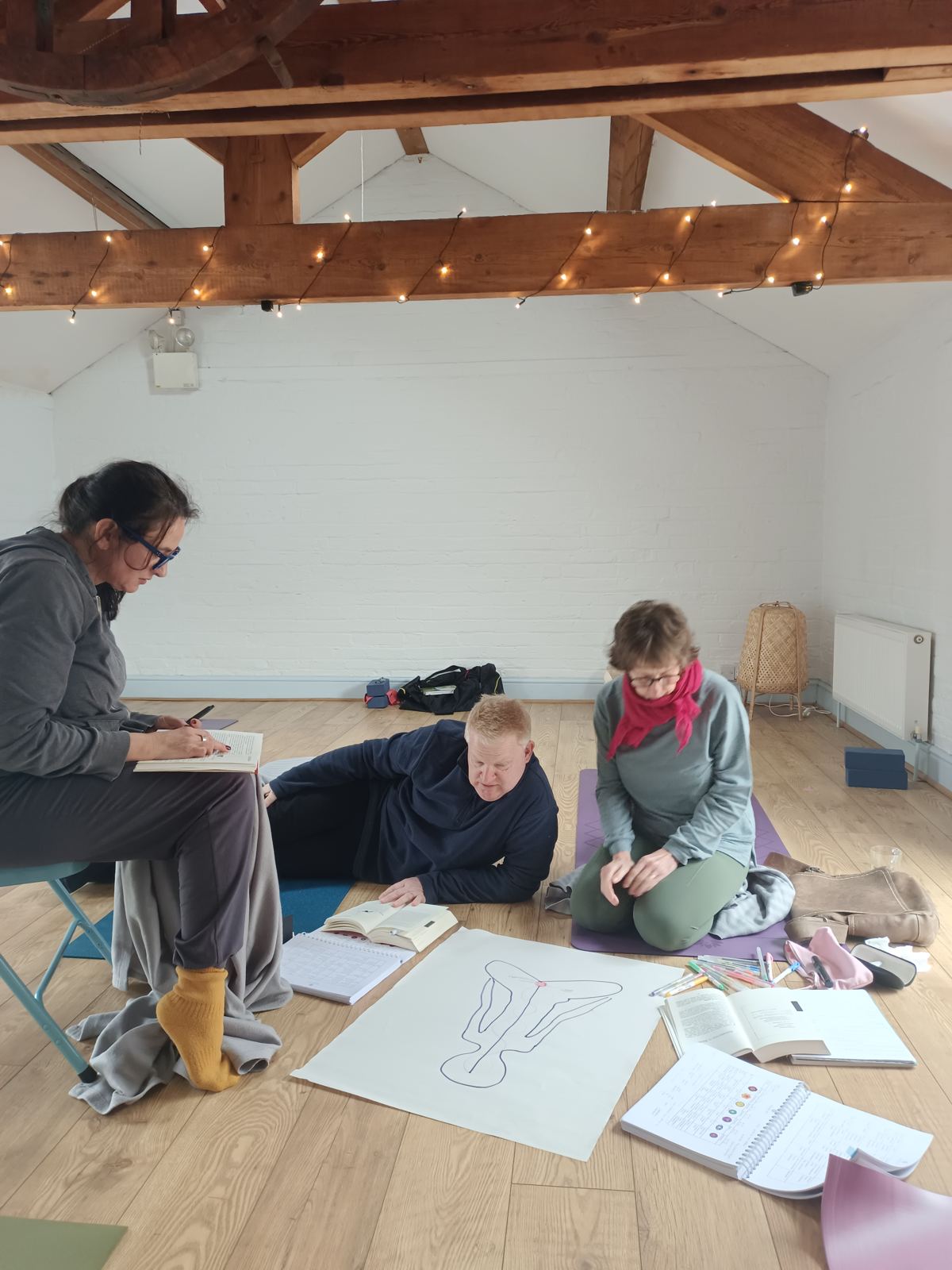
“I really enjoyed my learning at the Breathing Space. The teachers were very, very experienced practitioners, full of knowledge and hints and tips, as well as real-life practical examples of how to take the community forward. I found the way that we learned the theory to be really interesting, not just from books; we had practical demonstrations, models, we drew each other with chalk, and we played with pipe cleaners. Loads of really fun ways to learn the material. And then, as we got more into the practical side of teaching, there were loads of opportunities: through apprenticeships, sitting with other teachers, experiencing other classes. Just a whole wealth of useful knowledge and input that we can build upon.”
Graham, YTTC200 Graduate
”… there was a real sense of community, not only with the teachers, Bel and Christine, but also with my fellow students. In the first week, we actually did a really lovely practice and kind of bonded as a community together. The Breathing Space as a whole feels very communal anyway, and you really feel that we bonded week after week, doing different practices together. By the end of it, we still feel like a real team and feel really close. Actually, it’s been a really nice experience.”
Anita, YTTC200 Graduate
“The structure of the course at the Breathing Space is so methodical. It really takes you step by step from start to finish, so it can seem quite daunting at the beginning of delivering a full yoga class. And we have to learn so much; you have to learn about alignment and anatomy, and there is a lot to learn. But the way the Breathing Space stretches it, they really break it down for us, and you don’t feel like you have to remember everything. You really learn in a playful way.
So we used pipe cleaners and created our own spines with beads. And we wore black on one day so that we could draw on our bodies to draw out the bones, so that we really get to grips with anatomy in a kind of organic way. So each weekend, you’re learning something more and doing some self-study to learn as much as possible on the actual training weekend. Incredibly helpful.”
Ellen, YTTC200 Graduate
“The faculty at Breathing Space contributed to my experience because there’s such a wide range of teachers here. There’s everything from restorative through to Ashtanga, and everything in between. So we can learn that there’s not just one type of yoga; there’s a yoga for everybody. Depending on where you are in your life, in your mood, in your energy, you can find something suitable.”
Hannah, YTTC200 Graduate
“When I came to the Breathing Space in Derby, my experience with yoga was a very physical practice. I came to yoga to deal with some physical issues, and I really enjoyed it. But I knew there was more to yoga. So, for me, the time we’ve spent learning about some of the yoga philosophy, the background to yoga, I think being able to weave that into my physical practice makes it a much more rounded practice and allows me to help people, particularly enjoy the meditative elements more, and perhaps encouraging me to step a little away from some of the physical elements of yoga.”
Graham, YTTC200 Graduate
“Parts of the course that have influenced me the most are the philosophical studies. I’m quite a philosophical yogi, and I really enjoy delving deep into sutras and the philosophy. I’ve really enjoyed learning to share the practice with students rather than just performing as a teacher. It’s a sharing practice for me.”
Hannah, YTTC200 Graduate
“When I reflect back to the beginning of the course, even though I signed up to do a teaching course, the thought of teaching at the beginning was really overwhelming. I can remember very early on in the course, we were teaching each other to do a Savasana, the end section of the yoga class. Actually, it was a really nice, gentle introduction to teaching, and we got to go away and practise that, come back, and reflect on how that would be. I think the Breathing Space is really, really good at encouraging you to develop these things gradually. All of a sudden, we were then teaching lots of different components of a yoga class to each other in the group, which very quickly becomes a very safe space. That’s continued all the way right up until we’ve got to the end of the course now, and I feel that I’ve got enough to be a yoga teacher, but it’s going to be a continued journey of building. I’ve been able to learn at the Breathing Space and from my fellow students as well.”
Chris, YTTC200 Graduate
Ready, steady, go?
Yoga teacher training will deepen your practice, expand your knowledge of philosophy and give you the skills to teach. Embrace the challenges, stay dedicated, and you’ll transform yourself and inspire others on their own yoga journeys.
Find out more about our 200-hour Yoga Teacher Training, including the curriculum, fees, scholarships and next start date.